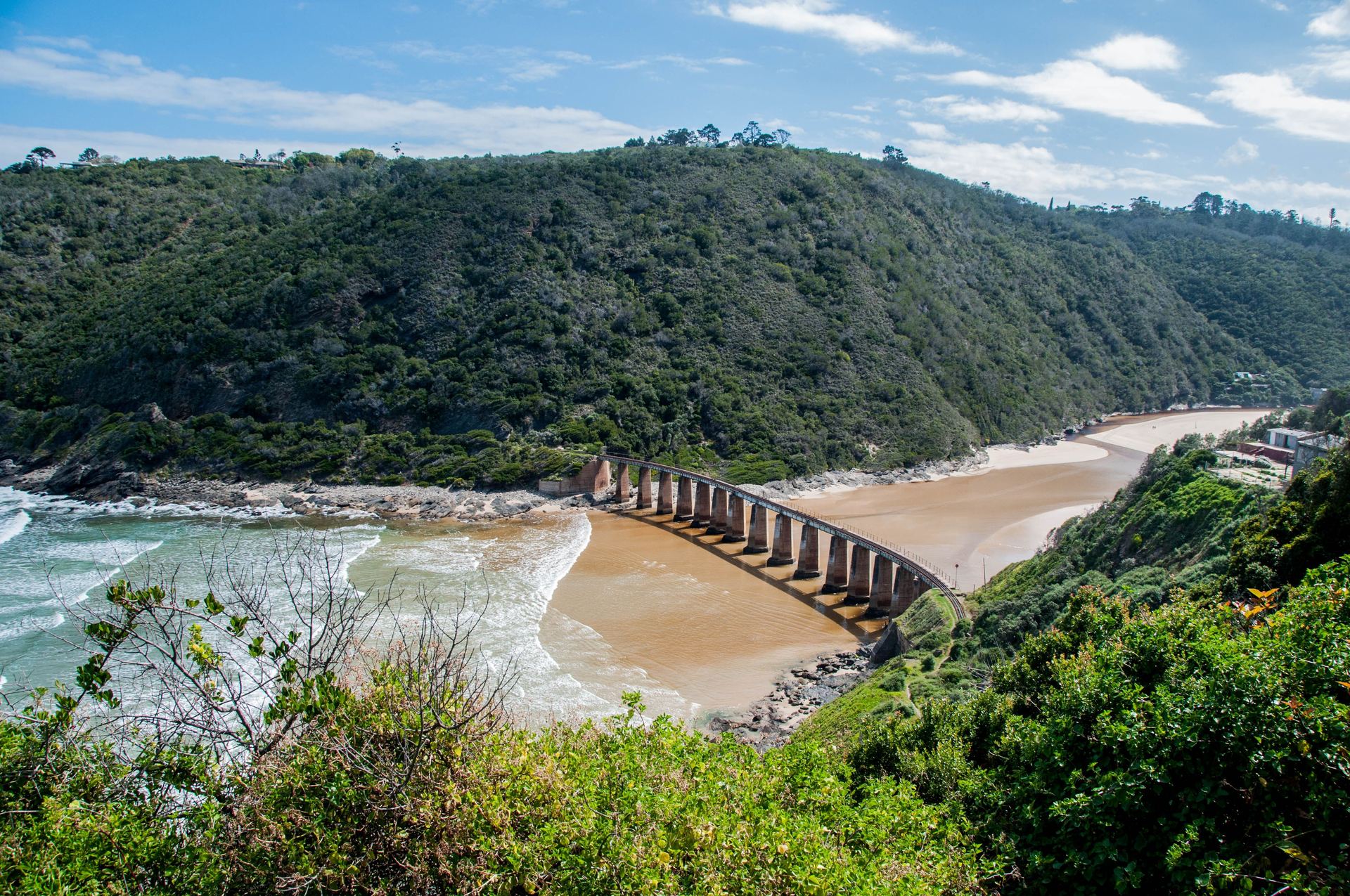
When should you actually come to Cape Town? A month-by-month breakdown of weather, wind, whale season, wine harvest, crowds and prices — written by people who live through all twelve.
Every guidebook says 'visit Cape Town in summer.' That is true, and it is also the laziest advice in South African travel. Summer is when the Mother City is loudest, priciest and windiest. It is also glorious. The real question is not 'when is Cape Town good' — it is 'which Cape Town do you want?'
There are four different cities hiding in one calendar: the beach city of December, the harvest city of February, the whale-and-fireplace city of July, and the wildflower city of September. Pick the version that matches the trip you're imagining, then build around it.
December to February — high summer, high energy
Long days (sunset near 20:00), water temperatures on the False Bay side around 18–20°C, and a city that feels like it is on permanent holiday. Expect 26–30°C highs, almost no rain, and the southeaster — the wind locals call the Cape Doctor — scrubbing the sky clean for days at a time.
The trade-off is honest: this is peak season. Table Mountain cableway queues stretch past an hour by mid-morning, Camps Bay restaurants need booking a week out, and accommodation runs 40–70% above shoulder-season rates. If you're coming now, pre-book everything and start each day early.
February is our quiet favourite. Marginally calmer wind, the winelands in harvest, and the December crowd already flown home.
Insider tips
- — Book Table Mountain cableway tickets online the night before and go for the first car up.
- — Wind-proof your itinerary: keep Cape Point and Boulders Beach as your southeaster-day backup.
- — For a full summer plan, see our 3, 5 and 7-day Cape Town itinerary comparison.
"There is no bad month in Cape Town — only months that suit a different traveller than you."
March to May — the locals' secret season
If you asked our guides to book their own holiday, most would choose April. Still, warm, windless mornings. Sea temperatures at their annual peak. Vineyards turning copper. Restaurant tables available. Flights and hotels 30–50% cheaper than January.
Hiking is at its best: Lion's Head, Kloof Corner and the Platteklip ascent are all comfortable without dawn starts, and the Table Mountain trails are dry underfoot. This is also the sweet spot for photography — soft light, dramatic cloud, no haze.
Insider tips
- — April and early May are the best value weeks of the year for a Cape Town + Winelands trip.
- — Pack one warm layer; evenings drop to 12–14°C by late May.
June to August — winter, whales and fireplaces
Cape Town winter is cold-ish (8–18°C), green, and genuinely beautiful. Cold fronts roll through for two or three days, then the city gets a run of crisp, still, blue days that beat anything summer offers. Rates fall to their annual floor.
This is whale season. Southern right whales arrive in Hermanus and Walker Bay from June, peaking in September, and you can watch them breach from a cliff path without boarding a boat. Winter is also the best time for winelands fireplaces, cellar tastings and long lunches — Stellenbosch in July is a different, cosier pleasure to Stellenbosch in February.
Insider tips
- — Keep two flexible days in a winter itinerary so you can move outdoor plans around a front.
- — Whale watching runs June to November; September is the reliable peak.
September to November — wildflowers and shoulder-season value
September brings the West Coast flower bloom at Postberg and Darling, whales at their peak, and mild 20–24°C days. October and November are our top recommendation for first-time international visitors: summer weather without the summer price tag or the December crush.
Spring is also when the wind starts building again, so plan mountain and boat activities for mornings.
Insider tips
- — The West Coast flower season is short and rain-dependent — mid-August to mid-September.
- — October–November is when we see the highest satisfaction scores across our packages.
So which month should you book?
Beach and nightlife: December to February. Best value and best weather combined: April, October and November. Whales, wine cellars and quiet: June to September. Wildflowers: September.
Whatever you choose, the shape of a good Cape Town trip stays the same — three to four days in the city, two in the Winelands, and either the Garden Route or a safari at the end. We build all of it around your dates, so tell us the month and we will tell you honestly what it does and doesn't deliver.

Key takeaways
- 01December–February: hottest, busiest, priciest — book everything early.
- 02April, October and November are the best weather-to-value months of the year.
- 03June–September is whale season and the cheapest time to visit.
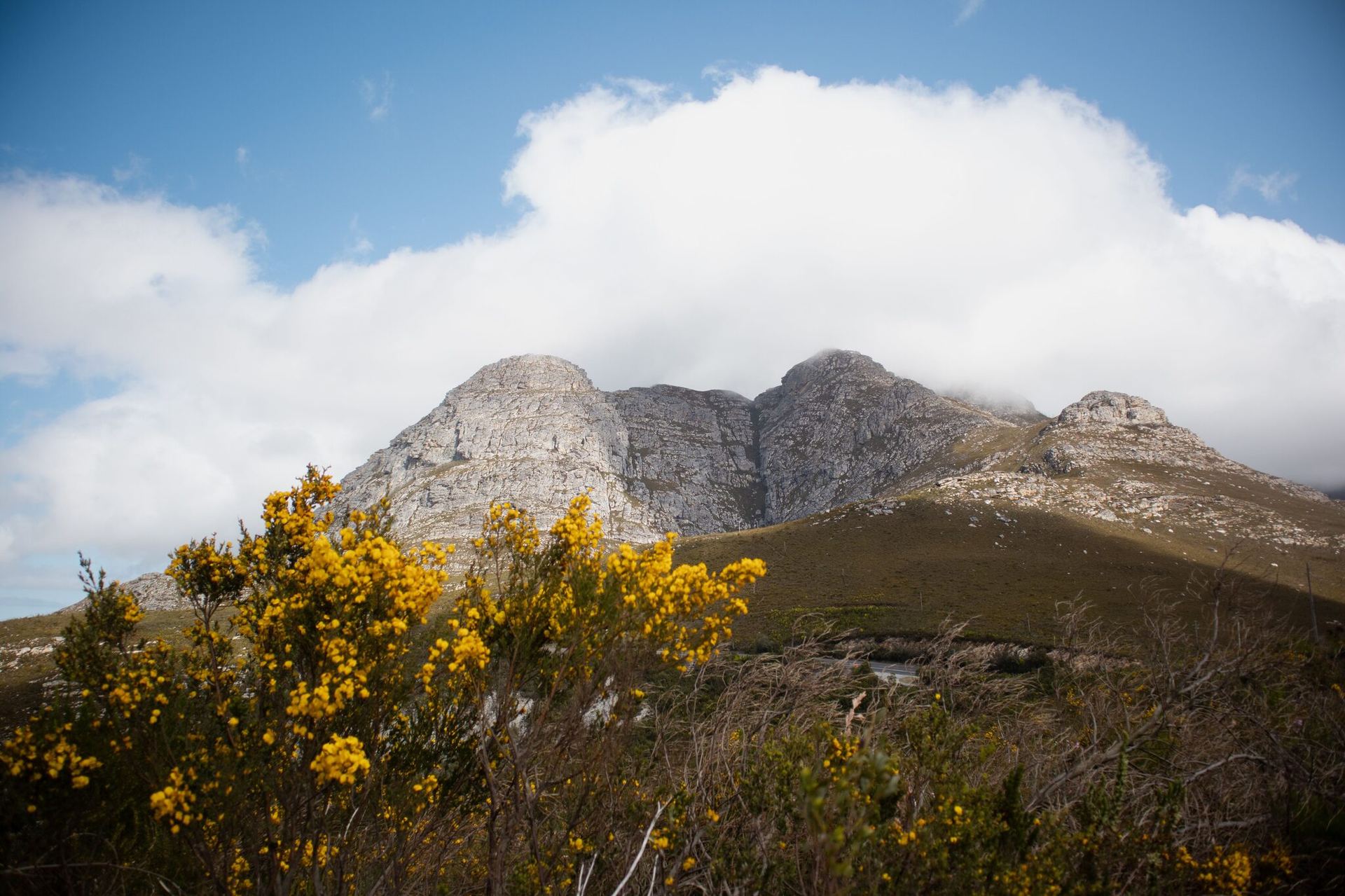
- 04September brings the West Coast wildflower bloom.
- 05Always keep one flexible day for wind and winter fronts.
Plan your trip — keep reading
- Cape Town destination guideNeighbourhoods, landmarks and how to move around the city.
- How many days do you need in Cape Town?Three itineraries mapped against the seasons above.
- Stellenbosch wine weekend itineraryWhat harvest season and winter cellar tastings each look like.
- See our Cape Town packagesDated departures and bespoke escapes for any month.
Written by
Tendai Gumunyu
On-the-ground contributor for the SA Travelcations journal — writing from Cape Town, the Winelands and the Garden Route.